
How to Book the Perfect Caribbean Yacht Charter: A Beginner’s Guide
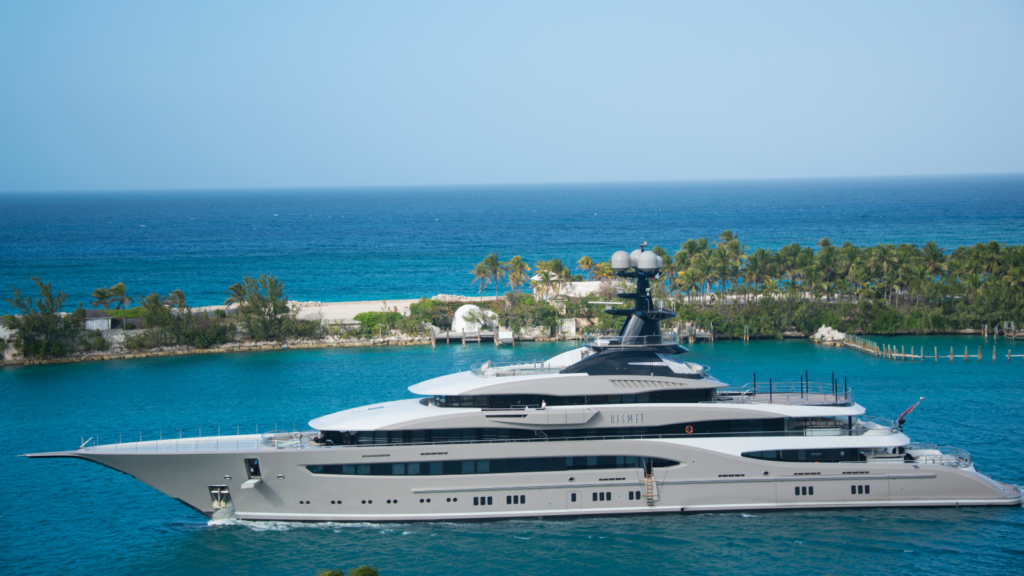
A private Caribbean yacht charter offers the freedom to move between islands without leaving the comfort and privacy of the yacht. Mornings may begin in a secluded bay, afternoons with diving or exploring ashore, and evenings with dinner prepared around the preferences of those on board.
For first-time guests, the range of destinations, yachts and pricing structures can initially feel unfamiliar. The process becomes clearer once the essential decisions are understood: expected spend, destination, season, yacht, crew and how far in advance to book.
How Much Does a Caribbean Yacht Charter Cost?
Caribbean yacht charter rates vary according to the yacht’s size, age, design, facilities, crew, season and cruising location. Rates are generally advertised as a weekly base charter fee, with separate high- and low-season prices sometimes listed.
The base rate normally covers the hire of the yacht, her crew and use of standard onboard equipment. It does not usually represent the complete charter cost. Most professionally crewed charters require an Advance Provisioning Allowance, known as an APA. This is commonly around 30% of the base charter fee, although it may range from approximately 25% to 35%, depending on the yacht and itinerary.
Paid before embarkation, the APA is managed by the captain and may cover:
- Fuel for the yacht, tenders and water toys
- Food and beverages
- Marina and berthing fees
- Local taxes, permits and cruising fees
- Transfers and other requested arrangements
The captain records expenditure throughout the charter. Unused funds are returned, while expenses exceeding the allowance are settled by the charterer. Crew gratuity is separate and discretionary, with Ocean Alliance able to provide guidance for the selected yacht and destination.
When Is the Best Time for a Caribbean Yacht Charter?
The principal Caribbean yacht charter season runs from November to April, when warm temperatures, lower humidity and generally favourable cruising conditions create an inviting setting for island-hopping and watersports.
Peak Season: Mid-December to April
Mid-December through April offers the largest seasonal yacht selection and the Caribbean at its most vibrant. Christmas and New Year represent the height of demand, particularly around St Barths and the British Virgin Islands.
This period is best for guests who prioritise established seasonal events, active harbours and a broad choice of yachts. Rates are generally highest during festive and other highly requested weeks.
Shoulder Season: November, Early December and May
The shoulder season can offer a quieter atmosphere and potentially more favourable rates. November and early December precede the festive peak, while May follows the principal winter season.
Conditions and yacht availability vary between destinations, making flexibility and regional advice especially valuable during these months.
Off Season: June to October
June through October is the Caribbean’s quieter period. Conditions are warmer and more humid, while the Atlantic hurricane season affects yacht positioning and itinerary planning.
Many yachts leave the region, although charter opportunities may remain in selected southern cruising areas. Guests should expect a smaller fleet and greater flexibility around conditions.
Which Caribbean Destination Is Right for You?
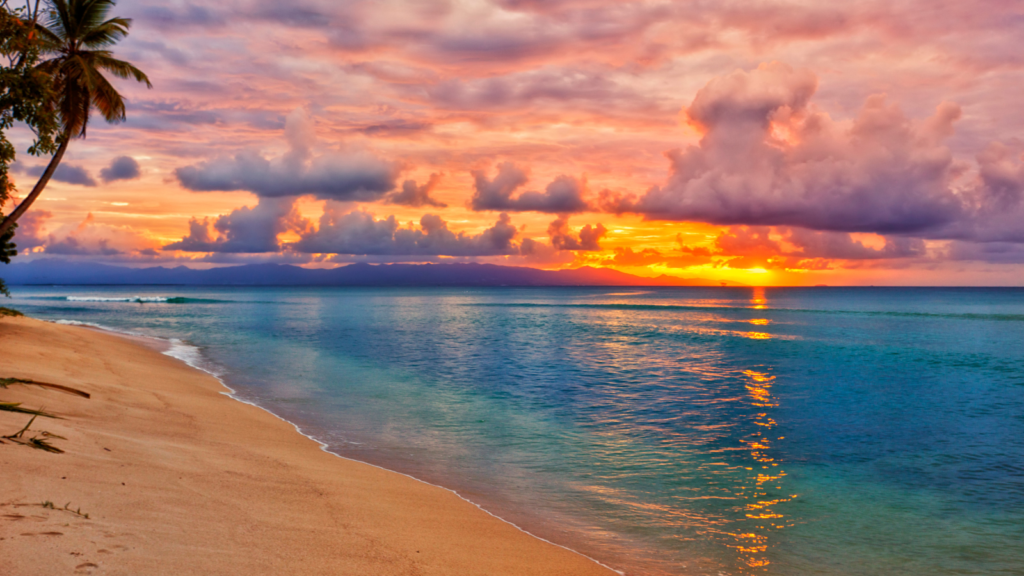
Each Caribbean cruising region offers a different combination of landscapes, culture and experiences. From the closely grouped islands of the BVI to the remote anchorages of the Grenadines, choosing a destination begins with understanding what makes each one distinct.
The British Virgin Islands
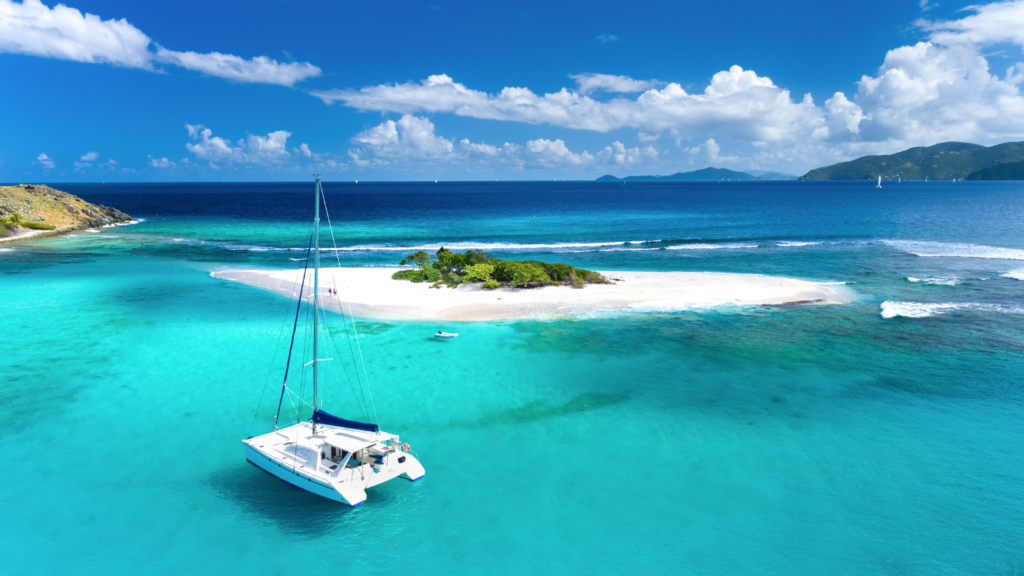
The British Virgin Islands bring together sheltered bays, clear reefs and an easy rhythm of island-hopping. Swim and snorkel among the granite formations of The Baths on Virgin Gorda, explore the caves of Norman Island or step ashore at Jost Van Dyke for relaxed beach bars and local rum cocktails. Anegada offers an entirely different landscape of coral shores, flamingos and freshly caught lobster.
The Exumas
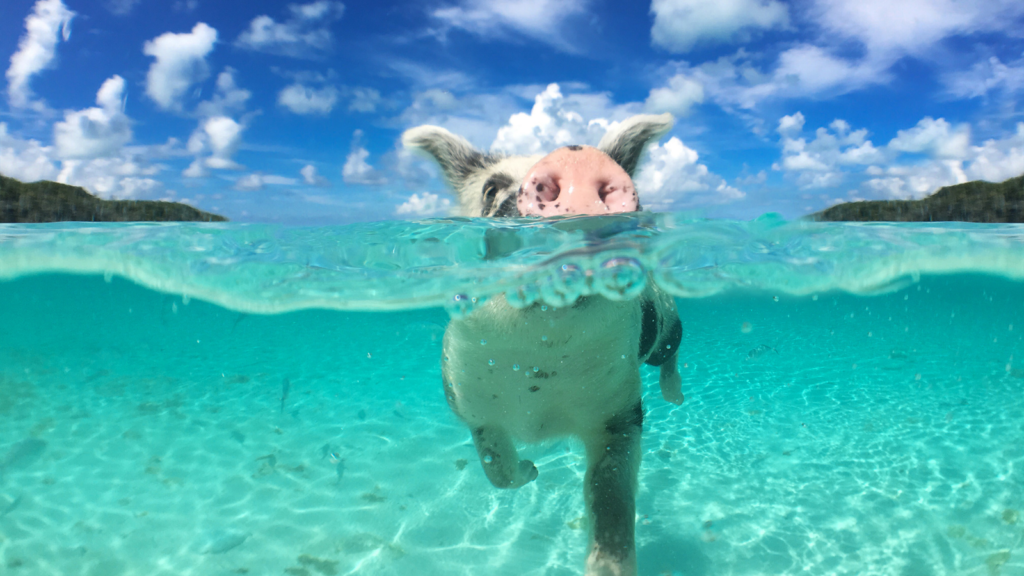
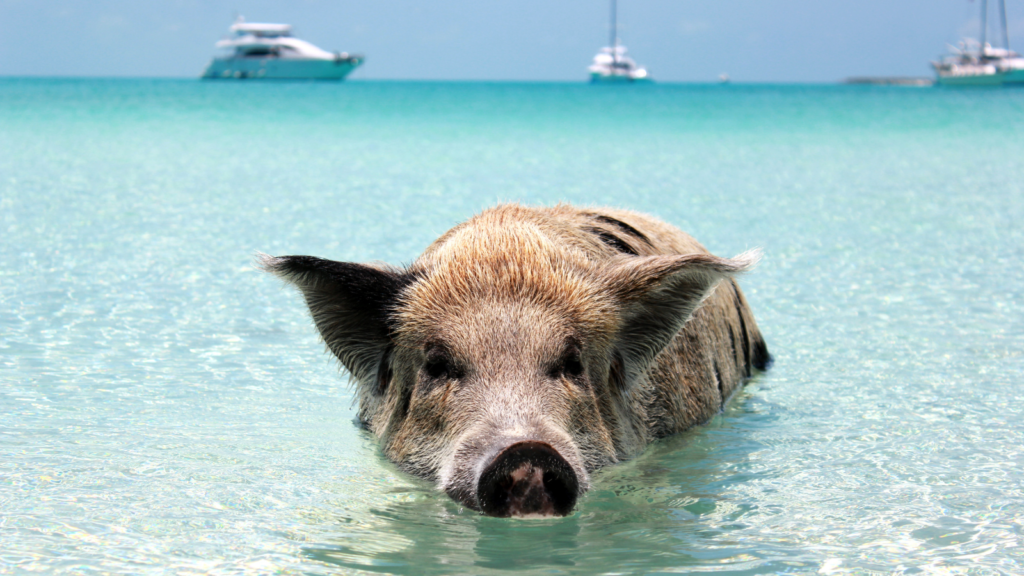
The Exumas unfold across 365 islands and cays surrounded by luminous shallow water. Swim through the sunlit chambers of Thunderball Grotto, meet the famous pigs of Big Major Cay or encounter nurse sharks at Compass Cay. Within the Exuma Cays Land and Sea Park, protected reefs, mangrove channels and untouched beaches reveal a more secluded side of The Bahamas, best explored by tender, kayak or paddleboard.
St Martin, Anguilla and St Barths
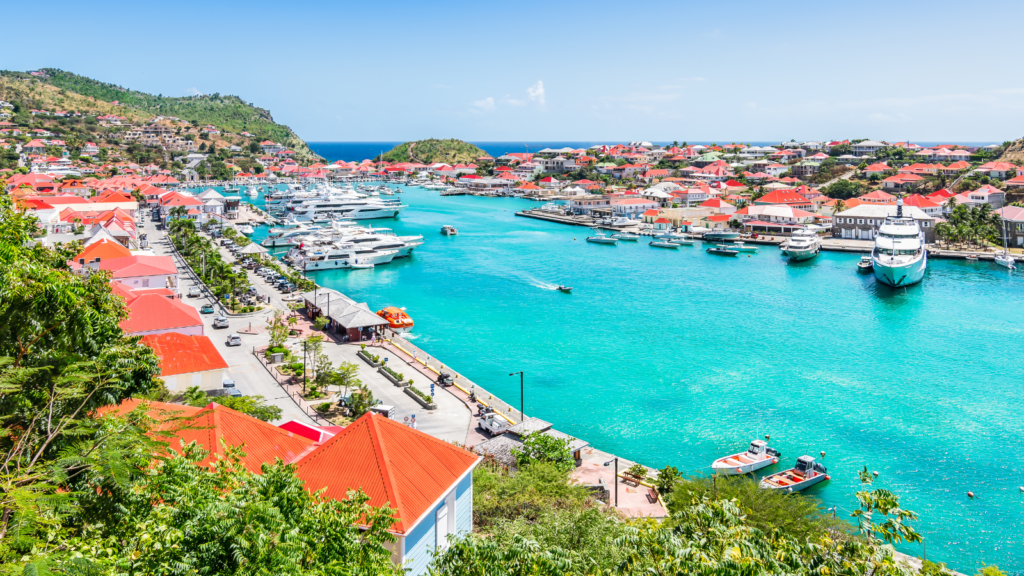
The Leeward Islands combine three distinctly different experiences. St Martin blends French and Dutch Caribbean culture with waterfront dining, colourful markets and lively harbours. Anguilla is known for long white-sand beaches, clear water and a celebrated culinary scene, while St Barths brings French-Caribbean style, boutiques, beach clubs and evenings around Gustavia. Together, they offer an elegant balance of time on the water and experiences ashore.
St Vincent and the Grenadines
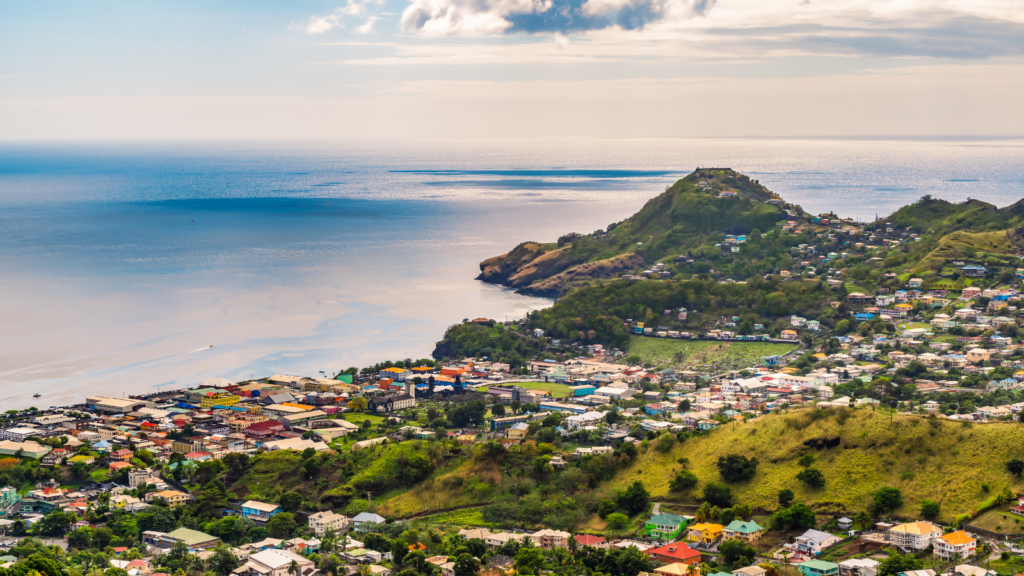
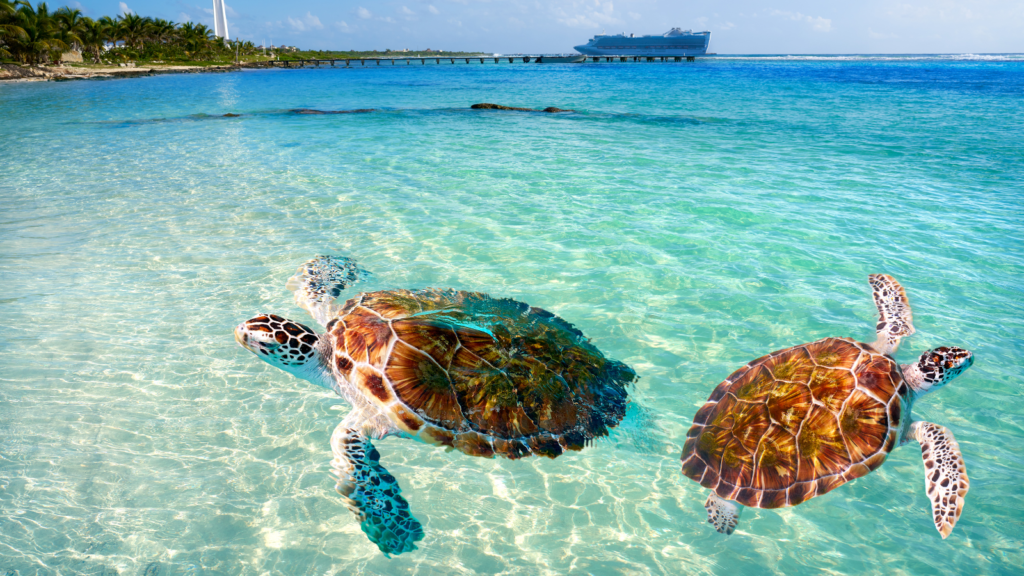
St Vincent and the Grenadines reveal a quieter Caribbean of volcanic landscapes, traditional island communities and secluded anchorages. Snorkel with sea turtles in the protected Tobago Cays, explore Bequia’s maritime heritage or step ashore on Mustique for dining and understated island glamour. Farther south, Canouan and Mayreau offer coral reefs, pale beaches and a profound sense of escape.
Antigua and Barbuda
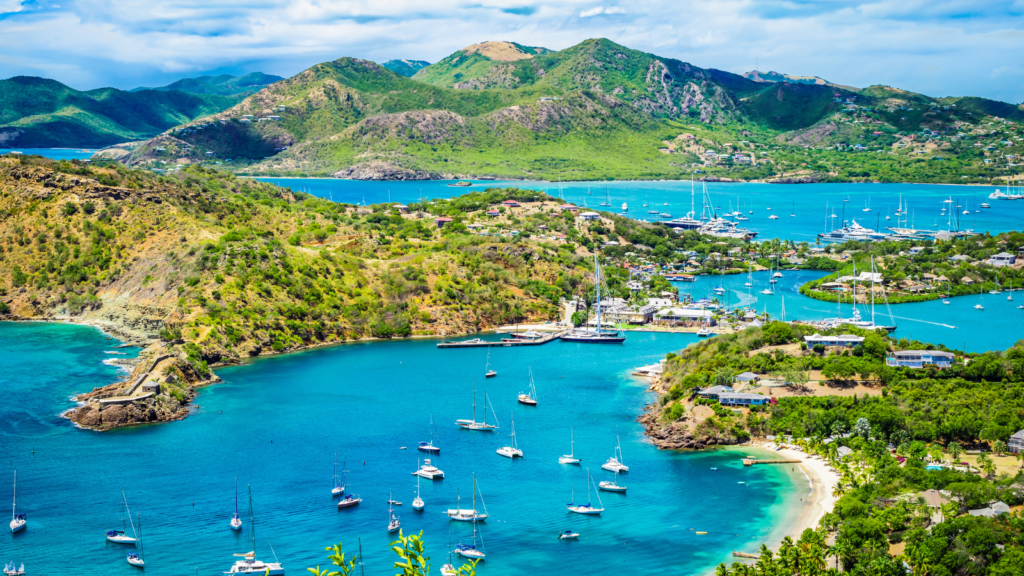
Antigua’s coastline is shaped by sheltered bays, historic harbours and a strong sailing culture. Explore the restored Georgian buildings of UNESCO-listed Nelson’s Dockyard, walk the heights above English Harbour or spend the afternoon swimming and snorkelling from the yacht. Barbuda offers a striking contrast, with long pink-tinged beaches, clear shallows and one of the Caribbean’s largest magnificent frigatebird colonies.
How to Select the Right Yacht
The right yacht depends on how guests want to experience the Caribbean. Motor yachts offer speed, generous spaces and extensive facilities, while sailing yachts provide a quieter, more traditional connection with the sea.
Accommodation should reflect who is travelling. Families may prefer twin or convertible cabins, groups of couples may require similarly appointed doubles, and multigenerational parties may prioritise accessibility and privacy. Deck spaces, swim platforms, water toys and wellness facilities should also suit the group’s interests.
The crew is equally important, managing everything from navigation and dining to watersports and experiences ashore. Specialist skills in diving, fishing, fitness or family charters, along with the chef’s culinary style, can help determine which yacht is best suited to those on board.
How Far in Advance Should You Book?
The most sought-after Caribbean yachts are often reserved six to twelve months ahead. This timeframe provides a broader selection, particularly for peak-season dates.
Christmas, New Year, Easter and major event weeks should be considered twelve months or more in advance when possible. Guests seeking a particular yacht, cabin arrangement or cruising region may also benefit from planning early.
For shoulder-season travel or flexible dates, options may be available with a shorter lead time. Allowing three to six months still provides more opportunity to compare yachts, review agreements and coordinate travel.
Begin Planning Your Caribbean Yacht Charter
The perfect Caribbean yacht charter comes from aligning the expected spend, destination, season, yacht, accommodation and crew around those travelling. Ocean Alliance can guide each stage of the process, from selecting a suitable yacht to shaping the charter around the group’s preferred destinations and experiences.